Environmental & Social Due Diligence · Project detail
GHG Inventory, Kumtor Gold, Kyrgyzstan
A greenhouse-gas inventory linking Kumtor’s sustainability reporting to the development of a GHG-reduction strategy.
01 · The decision context
Carbon accounting as a starting point for climate action.
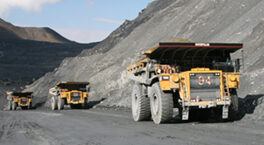
The greenhouse-gas inventory formed part of Kumtor’s sustainability report and contributed to the development of a GHG-reduction strategy. The 2012 assessment brought Scope 1 and Scope 2 emissions into one evidence base, helping to identify the operating drivers most relevant to the company’s carbon footprint.
02 · Inventory at a glance
Four facts that frame the 2012 emissions picture.
01
Scope 1
368,264 tCO₂e
Direct emissions · 2012
02
Scope 2
26,995 tCO₂e
Indirect emissions · 2012
03
Fuel
76% of Scope 1
Primary direct-emissions source
04
Explosives
17% of Scope 1
Secondary direct-emissions source
03 · Bulkai contribution
A usable emissions baseline for sustainability reporting and strategy.
01
Inventory calculation
Scope 1 and Scope 2 emissions calculated as tonnes of CO₂ equivalent for the 2012 reporting year.
02
Driver interpretation
Fuel consumption and explosives use made visible as the leading direct-emissions drivers in the inventory.
03
Strategy context
Inventory evidence connected to the development of a practical GHG-reduction strategy.
Field note
A GHG inventory becomes decision-useful when it identifies the operational drivers that matter most—not just the total footprint.
KG
04 · Electricity context
Hydropower shaped the relative balance of indirect emissions.
The original 2012 source notes that Kyrgyzstan’s use of hydropower for electricity generation explained Kumtor’s relatively low Scope 2 emissions. It also concluded that even a significant reduction in electricity consumption would not have materially reduced the company’s carbon footprint at that time, keeping the strategy conversation focused on the most material sources.